Danantara Indonesia

Waste to Energy

Coverage
>0 locations89 regencies/cities
Waste Processed
0.0 million tonneseach year
Combined Installed Capacity
~0 MWacross platform

Industrial facilities site turning municipal waste into clean electricity

Waste to Energy

Key Impact Highlights

Economic Project investment: ~Rp 3 trillion (~USD 170.4 million) per facility Indicative economic value: Rp 8.5–14.2 trillion per facility over 30-year concession 80% more land efficient than conventional landfill Social >400,000 households served per facility 700–1,200 green collar jobs per facility Technology and skills transfer Environmental 640,000 tCO₂/year emission reductions per facility (Bali) >19 million tCO₂e avoided annually nationwide 80% emission reduction vs. open dumping 30 MW cle

Scaling the National Platform

Denera's platform covers municipal Waste-to-Energy or PSEL plants across Indonesia's priority cities. Batch 1 comprises three locations: Greater Denpasar (Bali), Greater Bogor, and Bekasi City. Batch 2 covers up to 12 locations, plus two transitional sites. Total platform investment is estimated at approximately US$5 billion across 30+ locations. Since the issuance of Presidential Regulation No. 109/2025, the program has progressed rapidly from partner selection and regional agreements to the st

Waste to Energy

Strategic Objectives

01.

Waste Management Transformation

Each Denera facility operates within an integrated waste management system, covering the full cycle from source reduction and sorting to recycling, energy recovery, and PSEL. A single site manages municipal waste for more than 400,000 households, consolidating collection, processing, and disposal into a single monitored facility built to operate across a 30-year concession. Land freed from conventional landfill is 80% more efficient per unit of waste handled, freeing space that would otherwise be consumed by open dumping.

02.

Environmental Benefit

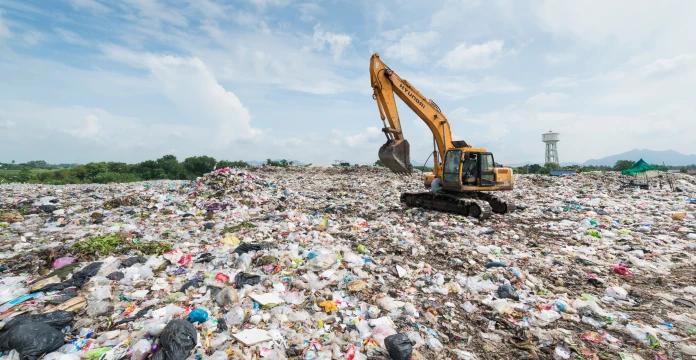
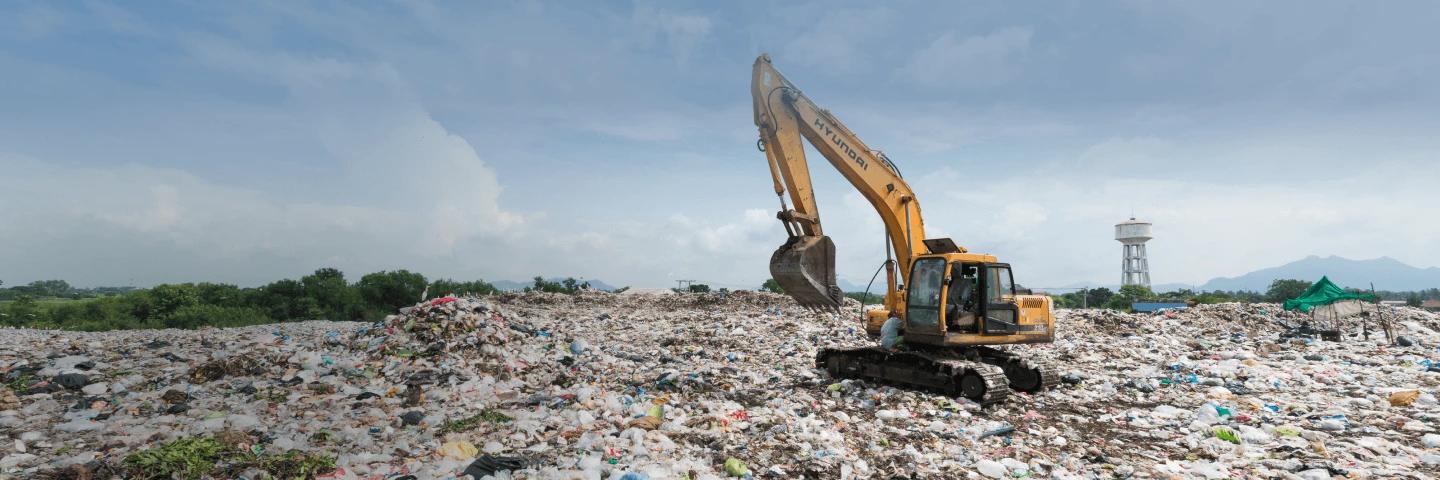
Indonesia's waste sector contributes 10–15% of national GHG emissions, driven primarily by methane with 25 times the warming potential of CO₂ released from decomposing organic matter in open landfills. Denera eliminates this at the source. Controlled combustion above 850°C, filtered to EU IED standards and continuously monitored, replaces open dumping, open burning, and uncontrolled methane venting. Processing waste through PSEL reduces emissions per tonne by approximately 80%, from approximately 1.8 tCO₂e under open landfill to approximately 0.3 tCO₂e. Nationally, the platform avoids more than 19 million tCO₂e annually while processing 13.2 million tonnes of waste each year, positioning DENERA as one of the most material contributors to Indonesia's 2060 Net Zero Emission commitment.

03.

Social Economy

Each Denera facility creates economic gravity beyond its fence line. A single site activates 10–15 supporting industry sectors, with an indicative total economic value of Rp 8.5–14.2 trillion over a 30-year concession. The clean electricity generated in the process — 3.96 TWh per year nationally — powers more than 1.5 million households through PLN. At national scale across 30+ locations, the employment impact alone reaches hundreds of thousands of positions across direct, indirect, and induced categories.

Economic Impact

01.

Green jobs

Each facility supports 700–1,200 green collar jobs — 500–1,000 during construction and approximately 200 permanent operations and maintenance roles — sustained employment through the life of the concession, not a one-time construction bump.

02.

Investment

A facility contributes Rp 1.3–1.6 trillion to GDP during its construction phase alone, then continues delivering Rp 180–220 billion annually once operational — economic value that compounds over the life of the concession, not a one-time construction gain.

03.

Public health

Avoided public health impacts sit among the named components inside the facility's indicative economic value, alongside reduced pungent odors and soil/water pollution from eliminating open dumping — the direct human benefit of replacing uncontrolled disposal with a monitored process.

Other Projects