Pilgrim service
Provide high-quality, well-located accommodation to Muslim pilgrims performing Hajj and Umrah, improving the experience of the journey for the international Muslim community.


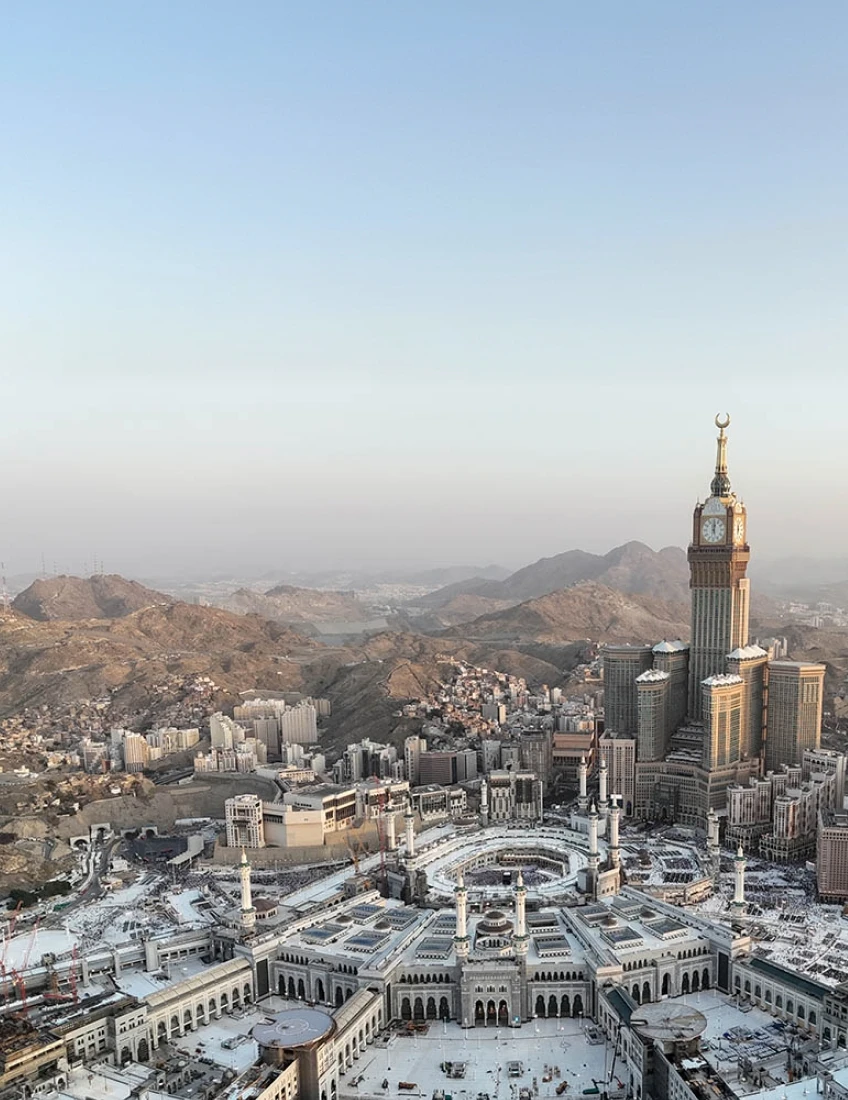
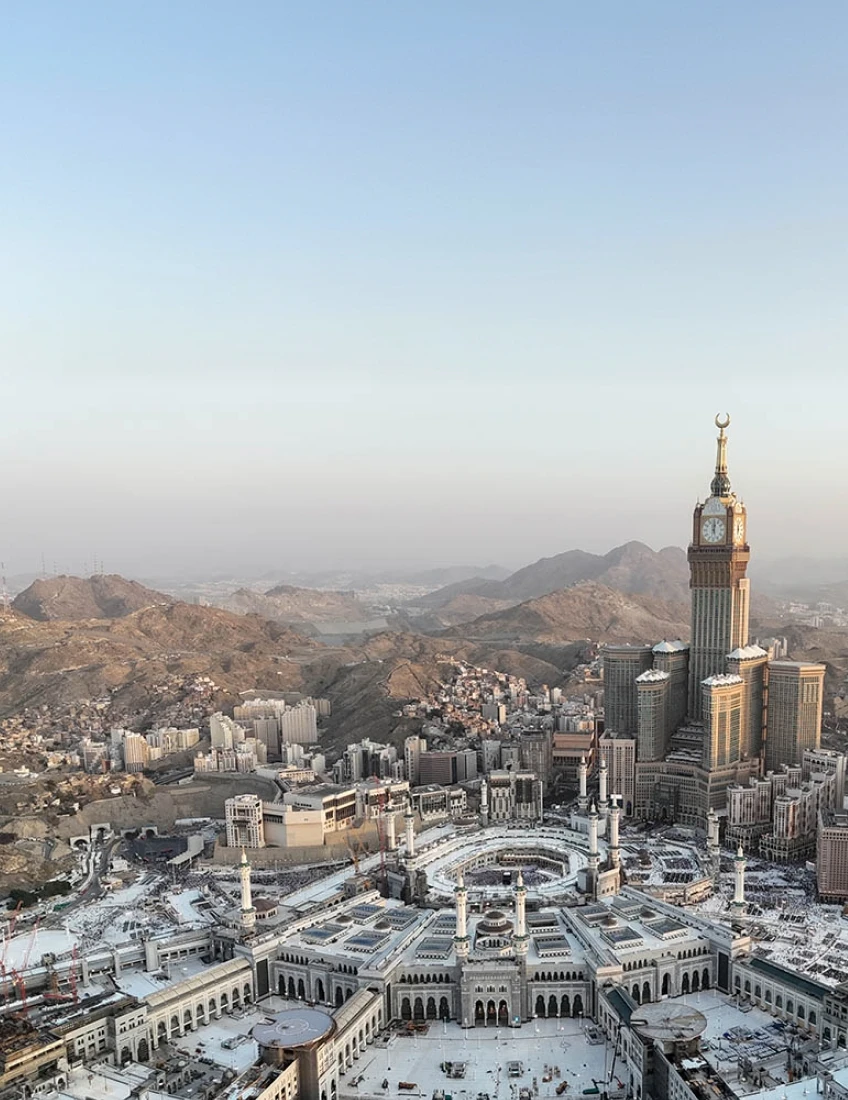
Building for the journey of a lifetime in Makkah: a landmark investment delivering dedicated facilities for Hajj and Umrah pilgrims from Indonesia and around the world
Each year, millions of Muslims travel to Makkah to perform Hajj—over 220,000 from Indonesia alone, the largest source of pilgrims globally. For many, it is a once-in-a-lifetime journey shaped by years of preparation. Beyond Hajj, Umrah continues to see strong growth, with up to 1.5–2 million Indonesian pilgrims traveling annually. This consistent flow highlights the importance of high-quality, dedicated facilities to better support pilgrims throughout their spiritual journey.
For decades, Indonesia has been the world’s largest annual renter in Makkah—managing seasonal accommodation, price volatility, and recurring uncertainty. This property investment in Makkah marks a strategic shift to long-term ownership—securing quality, certainty, and continuity for Indonesian pilgrims across generations.

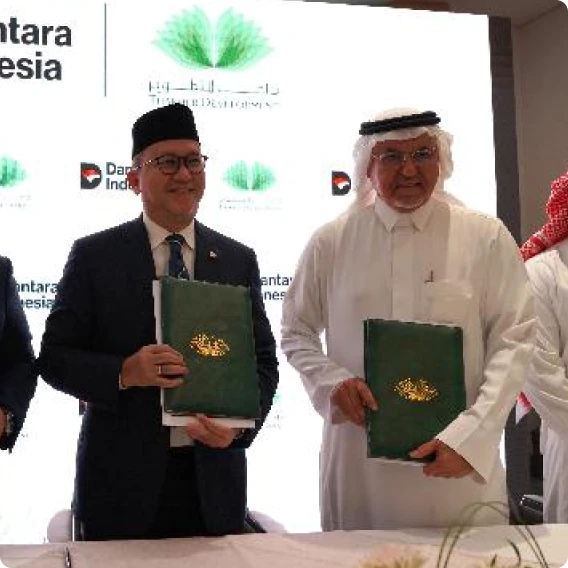
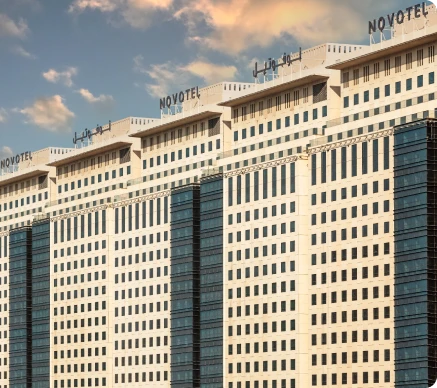
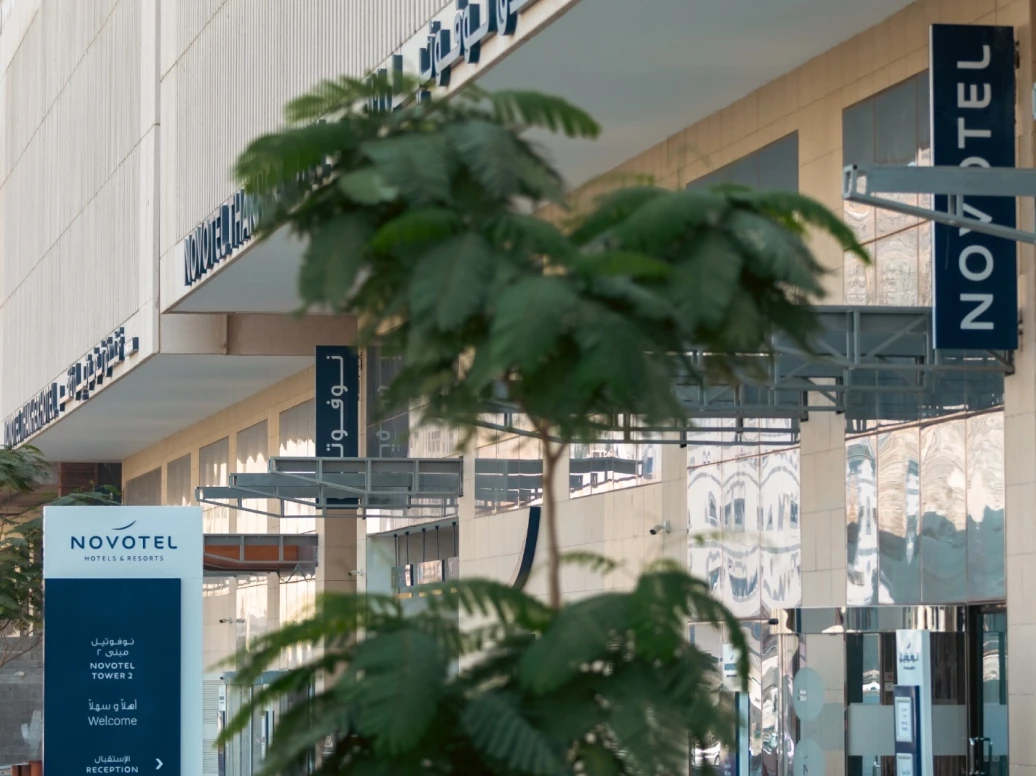
In December 2025, DIM signed an agreement with Thakher Development Company to acquire Novotel Thakher Makkah and 4.4 hectares of adjacent land within the Thakher City complex, located approximately 2 kilometres from Al-Haram. The Phase 1 transaction totals ~US$ 500 mn, funded by DIM's own capital.
Novotel Thakher Makkah has been operational since 2022, offering 1,461 rooms across three towers with capacity for approximately 4,400 pilgrims per Hajj season, and generating returns today.
The case for long-term investment in Makkah hospitality is structural. Saudi Arabia's Vision 2030 targets a near-doubling of foreign Umrah pilgrims by 2030, while licensed hotel supply in Makkah has historically grown at around 3% annually.
New developments near Al-Haram are scarce, complex, and slow. It can take up to a decade from planning to operations. Owning well-located assets in this market early is its own form of strategic advantage.